This chicken stir-fry from the October 2011 issue of Canadian Living is so good, I’ve made it twice in the last three weeks. Chicken thighs are cubed, browned and then stir fried with garlic, ginger and vegetables. A tart-sweet chili sauce is added at the end. The recipe calls for onions and peppers – I also tossed in broccoli and blanched green beans when I made it the second time. I couldn’t find additive-free Thai-style sweet chili sauce, so I made it from scratch, using a recipe from allrecipes.com, which I have also included below.

To avoid additives and preservatives in these recipes, use all-natural rice vinegar, such as Marukan brand, and all-natural ketchup, such as Heinz original.

Cube and brown skinless boneless chicken thighs

Add vegetables you have on hand

Add sauce and heat until it thickens

I served Sweet Chili Chicken over rice and with sauteed baby bok choy

Sweet Chili Thai Sauce

½ cup water

½ cup rice vinegar

½ cup sugar

1 tsp fresh ginger, minced

½ tsp garlic, minced

1 tsp hot chile pepper, minced

1 tsp ketchup

1 tsp cornstarch

Pour water and vinegar into saucepan and bring to a boil over high heat. Stir in sugar, ginger, garlic chile pepper, and ketchup; simmer for 5 minutes. Stir in cornstarch. Remove saucepan from stove to cool. Transfer to bowl, cover, and refrigerate until needed.

From allrecipes.com

Sweet Chili Chicken

Ingredients:

1½ lb boneless skinless chicken thighs, cut in bite-size pieces

¼ tsp salt

1 tbsp vegetable oil

1 clove garlic, minced

2 tsp finely chopped fresh ginger

1 onion, chopped

1 sweet red pepper, cut in bite-size pieces

1 sweet green pepper, cut in bite-size pieces

1 jalapeño pepper, seeded and finely chopped

½ cup Thai-style sweet chili sauce

1 tbsp rice wine vinegar

2 green onions, thinly sliced

Preparation:

Sprinkle chicken with salt. In large skillet, heat oil over high heat; stir-fry chicken until starting to brown and juices run clear when chicken is pierced, about 6 minutes.

Add garlic and ginger; stir-fry until fragrant, about 1 minute. Add onion, red and green peppers and jalapeño pepper; stir-fry for 3 minutes, adding about 4 tbsp water by the tablespoon to prevent sticking to pan.

Mix chili sauce with vinegar; add to pan and cook over medium-high heat, stirring often, until reduced and vegetables are tender-crisp. Serve sprinkled with green onions.

From the October 2011 issue of Canadian Living

I have wanted to make this famous dish for some time, and finally had a free Saturday afternoon to do so. It was so worth it. I had a wonderful time in the kitchen and learned some new techniques, such as how to properly sauté mushrooms. Julia said the dish would taste even better the next day, so I popped it in the fridge and we had a lovely Sunday dinner that was ready in less than 30 minutes. As Julia suggested, I served the boeuf bourguignon with potatoes and buttered peas.

To avoid additives and preservatives in this recipe, use nitrite-free bacon (I cut bacon slices in to strips), red wine with a sulfite content of less than 10 parts per million, all-natural beef stock (I used Imagine chicken stock and it worked just fine) and butter with no colour added.

Cut bacon in thin strips, called lardons

Pat the beef dry so it will brown properly

Brown the beef well

Remove the meat and brown the vegetables

Recombine the meat and vegetables and cook slowly in the oven

While the stew cooks, braise onions with a bouquet garni

Properly sauteed mushrooms will turn brown and "squeak" in the pan

Simmer everything together before serving

Serve Julia's Boeuf Bourguignon with potatoes and buttered peas

Ingredients

One 6-ounce piece of chunk bacon

3½ tablespoons olive oil

3 pounds lean stewing beef, cut into 2-inch cubes

1 carrot, sliced

1 onion, sliced

Salt and pepper

2 tablespoons flour

3 cups red wine, young and full-bodied (like Beaujolais, Cotes du Rhone or Burgundy)

2½ to 3½ cups brown beef stock

1 tablespoon tomato paste

2 cloves mashed garlic

1/2 teaspoon thyme

A crumbled bay leaf

18 to 24 white onions, small

3½ tablespoons butter

Herb bouquet (4 parsley sprigs, one-half bay leaf, one-quarter teaspoon thyme, tied in cheesecloth)

1 pound mushrooms, fresh and quartered

Preparation:

Remove bacon rind and cut into lardons (sticks ¼ -inch thick and 1½ inches long).

Simmer rind and lardons for 10 minutes in 1 ½ quarts water. Drain and dry.

Preheat oven to 450 degrees.

Sauté lardons in 1 tablespoon of the olive oil in a flameproof casserole over moderate heat for 2 to 3 minutes to brown lightly. Remove to a side dish with a slotted spoon.

Dry beef in paper towels; it will not brown if it is damp. Heat fat in casserole until almost smoking. Add beef, a few pieces at a time, and sauté until nicely browned on all sides.

Add it to the lardons.

In the same fat, brown the sliced vegetables. Pour out the excess fat.

Return the beef and bacon to the casserole and toss with ½ teaspoon salt and ¼ teaspoon pepper.

Then sprinkle on the flour and toss again to coat the beef lightly. Set casserole uncovered in middle position of preheated oven for 4 minutes.

Toss the meat again and return to oven for 4 minutes (this browns the flour and coves the meat with a light crust).

Remove casserole and turn oven down to 325 degrees.

Stir in wine and 2 to 3 cups stock, just enough so that the meat is barely covered.

Add the tomato paste, garlic, herbs and bacon rind. Bring to a simmer on top of the stove.

Cover casserole and set in lower third of oven. Regulate heat so that liquid simmers very slowly for 3 to 4 hours. The meat is done when a fork pierces it easily.

While the beef is cooking, prepare the onions and mushrooms.

Heat 1½ tablespoons butter with one and one-half tablespoons of the oil until bubbling in a skillet.

Add onions and sauté over moderate heat for about 10 minutes, rolling them so they will brown as evenly as possible. Be careful not to break their skins. You cannot expect them to brown uniformly.

Add ½ cup of the stock, salt and pepper to taste and the herb bouquet.

Cover and simmer slowly for 40 to 50 minutes until the onions are perfectly tender but hold their shape, and the liquid has evaporated. Remove herb bouquet and set onions aside.

Wipe out skillet and heat remaining oil and butter over high heat. As soon as you see butter has begun to subside, indicating it is hot enough, add mushrooms.

Toss and shake pan for 4 to 5 minutes. As soon as they have begun to brown lightly, remove from heat.

When the meat is tender, pour the contents of the casserole into a sieve set over a saucepan.

Wash out the casserole and return the beef and lardons to it. Distribute the cooked onions and mushrooms on top.

Skim fat off sauce in saucepan. Simmer sauce for a minute or 2, skimming off additional fat as it rises. You should have about 2½ cups of sauce thick enough to coat a spoon

lightly. If too thin, boil it down rapidly. If too thick, mix in a few tablespoons stock. Taste carefully for seasoning. Pour sauce over meat and vegetables. Recipe may be made in advance to this point.

For immediate serving: Cover and simmer 2 to 3 minutes, basting the meat and vegetables with the sauce several times. Serve in casserole, or arrange stew on a platter surrounded with potatoes, noodles or rice, and decorated with parsley.

For later serving: When cold, cover and refrigerate. About 15-20 minutes before serving, bring to a simmer, cover, and simmer very slowly for 10 minutes, occasionally basting the meat and vegetables with the sauce.

From Mastering the Art of French Cooking by Julia Child, Louisette Bertholle and Simone Beck

Beef bourguignon

I served this quinoa pilaf from the October issue of Style at Home at Thanksgiving dinner. It is a colourful and tasty side dish, and hearty enough serve as a vegetarian entrée. I roasted the squash ahead of time, kept it in the fridge, and then rewarmed it quickly in the microwave before tossing everything together just before serving.

You can roast the squash in advance

The recipe calls for white quinoa; I used regular quinoa and it was fine. I also chose to double up on the pistachios instead of buying pumpkin seeds.

Cranberry Pecan Quinoa Pilaf

To avoid additives and preservatives in this recipe, use fresh lemon juice and dried cranberries without colour or sulfites. I used Craisins brand original dried cranberries.

Ingredients:

1 butternut squash

2 tsp olive oil

Maldon sea salt and freshly ground black pepper to taste

1 cup white quinoa

Zest and juice of ½ lemon

1 tbsp unsalted butter

¼ cup dried cranberries

½ cup roughly chopped pecans

¼ cup shelled pistachios

¼ cup roasted pumpkin seeds

1 tbsp chopped parsley

Preparation:

Preheat the oven to 350°F. Peel the squash and cut the flesh into ¾” cubes. Toss with the olive oil, season with salt and pepper and spread on a baking sheet.

Roast for 20 to 25 minutes, stirring occasionally, until tender and golden. Meanwhile, bring a large pot of water to a boil and cook the quinoa for 12 minutes.

Drain and transfer to a bowl. Toss quinoa with the squash, lemon zest and juice and butter. Stir in cranberries, nuts, pumpkin seeds and parsley. Serve warm. Serves 6.

From the October 2011 issue of Style at Home

As most of you know, my husband Bill has life-threatening allergies to food additives and preservatives, so eating at a restaurant is often not easy. However, a number of chefs at Toronto restaurants are able to accommodate him, including Jake at the Harbord House, Kevin at Matisse and Courtney at the Duke of Devon. This simple and tasty fish recipe is adapted from Courtney’s version. You can make it as hot or mild as you wish and it takes less than 20 minutes to make, including marinating.

Make this marinade as spicy or mild as you like

Marinate fish for 10 minutes

To avoid additives and preservatives in this recipe, use freshly squeezed lemon juice.

Bill's Fish

Ingredients:

2 tbsp olive oil, plus oil for pan

2 tbsp freshly squeezed lemon juice

Chopped banana peppers or jalapeno peppers, to taste

Salt and pepper to taste

Chopped fresh cilantro

4 fillets of Haddock or other white fish

Preparation:

Preheat oven to 350 degrees. Mix together first five ingredients in a small bowl and then pour over fish. Marinate for 10 minutes. Heat a small amount of oil in an oven-proof pan over high heat. Flash fry fish for three minutes on one side. Flip and bake in oven for 5 minutes, or until done. Serves 2.

Adapted from a recipe by Chef Courtney at the Duke of Devon

I have been making this Feta Caraway Spread from an old issue of Homemakers quite often lately. That’s because it takes 5 minutes to make and everyone loves it. It also travels well and is a vegetarian-friendly hors d’oeuvre. You can serve it with crudités or crackers. Just be sure to mash it well so that is more like a spread and less like little lumps of crumbled feta, which will roll off the crackers!

Mash feta, olive oil and lemon juice together, then mix in remaining ingredients

To avoid additives and preservatives in this recipe, look for all-natural feta cheese, use fresh lemon juice and paprika and cayenne with no colour added.

Serve Feta Caraway Spread with crackers or crudites

Ingredients:

5 oz  (150 g) Feta cheese, crumbled (about 1 cup/250 mL)

3 tbsp  (45 mL) extra-virgin olive oil

1 tsp  (5 mL) lemon juice

3 tbsp  (45 mL) minced red onion

1-½ tsp  (7 mL) caraway seeds

½ tsp  (2 mL) sweet paprika

Pinch cayenne pepper

Preparation:

In bowl and using fork, mash together cheese, oil and lemon juice. Mix in onion, caraway seeds, paprika and cayenne. Makes about 1 cup (250 mL).

From the October 2006 issue of Homemakers Magazine

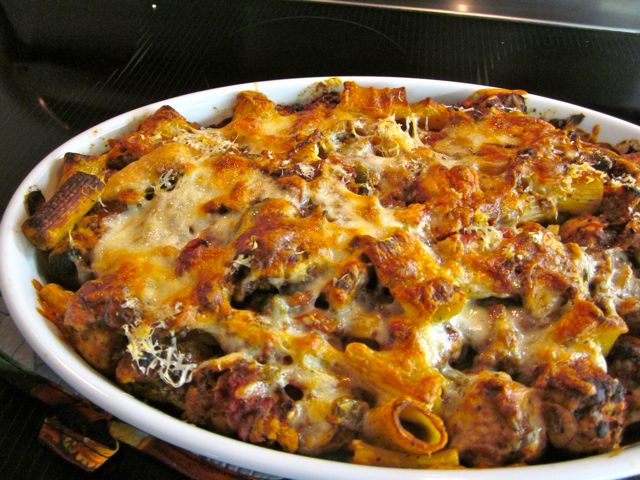
Pasta with meatballs is a great dish, but making and browning meatballs from scratch takes time. This recipe from an October 2011 LCBO Food and Drink newspaper insert takes a shortcut by using sliced hot Italian sausages instead of meatballs. The original recipe suggested browning the sausages and then slicing them. Instead, I cooked the sausages in boiling water for 5 minutes to render some of the fat, then sliced them and browned them. I used canned crushed tomatoes, which made a very thick sauce. If you make this recipe, I suggest you use canned whole tomatoes and puree them in your blender or food processor.

Simmer tomato sauce with garlic and basil

Add baby spinach leaves just before tossing with the cooked linguine

To avoid additives and preservatives in this recipe, use all-natural sausages and tomatoes, olives and Parmesan that does not contain colour, flavour or other artificial ingredients.

Linguine with Sausages in Tomato Sauce

Ingredients:

3 tbsp olive oil

4 hot Italian sausages

1 tbsp chopped garlic

5 cups canned tomatoes pureed

Salt and freshly ground pepper

2 tbsp chopped fresh basil

1 lb linguine

2 tbsp sliced green olives

2 green peppers, thinly sliced

4 oz fresh baby spinach leaves

Grated Parmesan cheese

Preparation:

Boil sausages in water for 5 minutes to render fat. Slice into bite-sized pieces. Heat 1 tbsp olive oil in skillet on medium heat. Add sausages and cook until browned, about 5 minutes per side. Remove from pan and set aside.

Add remaining olive oil and stir in garlic. Add pureed tomatoes and bring to a boil. Simmer 10 minutes or until thickened slightly. Season with salt, pepper and basil.

Bring large pot of salted water to a boil. Add linguine and cook until al dente, about 12 minutes.

Meanwhile stir olives green peppers and sliced sausages into sauce. Cook 10 minutes longer or until green peppers are slightly crisp.

Drain pasta when cooked. Add spinach leaves to sauce and toss with pasta. Serve with Parmesan cheese. Serves 4.

Adapted from Food and Drink October 2011 newspaper insert

This spicy lamb stew from the October 2011 issue of Bon Appetit is flavoured with Ras-El-Hanout, a combination of coriander, cumin, red pepper flakes, cinnamon, paprika, cardamom, ginger and turmeric. Cubed lamb is browned and then simmered with the spices, onion and tomatoes. Chickpeas and dried apricots are added just before serving.

The recipe includes instructions for cooking the chickpeas; I used cooked canned chickpeas, which were fine. If you use canned, you won’t need the cinnamon stick or the two whole garlic cloves. Be sure to trim as much fat as you can from the lamb.

Blend the Ras-El-Hanout in a spice grinder or mortar and pestle

Trim the fat from the lamb and brown it well

To avoid additives and preservatives in this recipe, look for all-natural canned tomatoes and stock, such as Imagine brand. It can be difficult to find dried apricots with no sulfites added, but many grocery stores do stock them.

Lamb Tagine with Chickpeas and Apricots

Ingredients:

¾ cup dried chickpeas (or a can of cooked chickpeas)

5 garlic cloves (2 whole, 3 chopped)

1 large cinnamon stick, broken in half

2 tablespoons olive oil

3 pounds 1″ cubes of lamb shoulder

Kosher salt and freshly ground black pepper

1 large onion, diced

5 teaspoons (see recipe below)

1 tablespoon chopped peeled ginger

1 cup canned diced tomatoes with juices

2½ cups (or more) low-salt chicken stock

½ cup halved dried apricots

Steamed couscous

Chopped fresh cilantro

Ras-el-Hanout

1½ teaspoons coriander seeds

¾ teaspoon cumin seeds

½ teaspoon crushed red pepper flakes

1¼ teaspoons ground cinnamon

1 teaspoon paprika

½ teaspoon ground cardamom

½ teaspoon ground ginger

½ teaspoon ground turmeric

Toast coriander and cumin seeds in a small skillet over medium heat, stirring occasionally, until aromatic and slightly darkened, about 4 minutes. Transfer to a spice mill; let cool. Add crushed red pepper flakes. Process until finely ground. Transfer to a small bowl. Add remaining ingredients; whisk to blend. Can be made 1 month ahead. Store airtight at room temperature.

Preparation:

If cooking the chickpeas yourself: Place chickpeas in a medium saucepan. Add water to cover by 2″. Let soak overnight. Drain chickpeas; return to same saucepan. Add 2 whole garlic cloves and cinnamon stick. Add water to cover by 2″. Bring to a boil, then reduce heat to medium and simmer until chickpeas are tender, about 45 minutes. Drain; set aside.

Heat oil in a large heavy pot over medium-high heat. Season lamb with salt and pepper. Working in batches, brown lamb on all sides, about 4 minutes per batch.

Transfer lamb to a medium bowl. Add onion to pot; reduce heat to medium, season with salt and pepper, and sauté until soft and beginning to turn golden, about 5 minutes. Add chopped garlic, Ras-el-Hanout, and ginger. Stir for 1 minute. Add tomatoes and lamb with any accumulated juices. Bring to a boil. Add 2½ cups stock. Return to a boil, reduce heat to low, partially cover, and simmer, stirring occasionally, until lamb is tender, about 1 hour 30 minutes.

Stir in chickpeas; simmer until heated through, about 10 minutes. Stir in apricots; simmer until heated through, about 5 minutes. Season with salt and pepper.

Spoon couscous onto a large, shallow platter, forming a large well in center. Spoon tagine into center. Sprinkle cilantro over. Serves 6–8.

From the October 2011 issue of Bon Appetit

Here’s another new find from the Autumn 2011 issue of Food and Drink. We love curry, and I especially like ones that do not use coconut milk, which I find to be very rich and oily. This recipe uses chicken thighs (another plus in my book) and is ready in about 40 minutes. All you do is throw the sauce ingredients into your food processor, brown the chicken thighs, top with the sauce and a little stock and simmer until done. On my stovetop, the thighs took longer than 4 minutes a side to brown – it was more like 8 minutes a side. I used unsalted cashews to lower the recipe’s sodium content. The recipe suggests trying the same sauce with shrimp, which I think would also be very tasty.

Combine curry paste ingredients in food processor

Cover the browned chicken thighs with the curry paste

Add broth and simmer until the chicken is cooked

To avoid additives and preservatives in this recipe, use nuts, yogurt and curry paste with no artificial ingredients. I used Astro Original brand Balkan-style yogurt and Thai Kitchen brand green curry paste.

Garnish with chopped cashews and cilantro and serve with basmati rice and Indian-spiced vegetables

Ingredients:

¾ cup roasted cashews (salted or unsalted)

1/3 cup plain yogurt

¼ cup roughly chopped cilantro

1 tbsp chopped fresh peeled gingerroot

1 tbsp mild or hot curry paste

1 tbsp brown sugar

½ tsp each salt and freshly ground pepper

1 tbsp canola oil

2 lbs chicken thighs

½ cup chicken broth

Preparation:

In a food processor, blend cashews until finely chopped. Add yogurt, cilantro, gingerroot, curry paste, brown sugar, salt and pepper and process until smooth.

In a large skillet, heat oil over medium-high heat. Brown chicken thighs until very browned, 4-8 minutes a side. Scrape all of the sauce over the chicken with chicken broth. Stir until blended, reduce heat to maintain a simmer and cover. Cook until chicken is cooked through, about 15 minutes. Let sit, covered, for 10 minutes. Serve over steamed basmati rice and garnish with chopped roasted cashews and cilantro. Serves 4.

From the Autumn 2011 issue of Food and Drink

Sometimes, you just want roast chicken. Tender, warm, comforting roast chicken. This recipe is from How Easy Is That? the most recent cookbook from Ina Garten (aka the Barefoot Contessa). The chicken is stuffed with lemon and garlic and then placed in a small roasting pan with more lemon wedges and sliced onions. When the chicken is done, set it aside to rest and then add wine, stock and flour to the plan to make a luscious sauce that includes the cooked onions. My chicken was closer to 3 lbs. and took a little over an hour, so I expect a larger chicken would take longer than the 1 hour, 15 minutes cited in the recipe. I used only one onion and 1 ½ lemons.

Place chicken in small pan with onions and lemon wedges

Let the cooked chicken rest while you make the sauce

Add wine, stock and flour to the cooked onions and lemons

To avoid additives and preservatives in this recipe, use stock with no artificial ingredients and wine with no sulfites added.

Roast chicken with onion-lemon sauce

Ingredients:

1 (4-5 lb) roasting chicken

salt and freshly ground pepper

2 lemons, quartered

1 whole head of garlic, cut in half cross-wise olive oil

2 Spanish onions, peeling and thickly sliced

½ cup dry white wine

½ cup chicken stock

1 tablespoon all-purpose flour

Preparation:

Preheat the oven to 425 degrees.

Remove and discard the giblets. Rinse and pat the chicken dry. Liberally salt and pepper the inside of the chicken. Place two lemon quarters inside the cavity along with the garlic. Brush the chicken with olive oil and sprinkle with salt and pepper. Tie the legs together with kitchen string and tuck the wing tips under the body of the chicken.

Place the chicken in a small (11×14-inch) roasting pan. (If the pan is too big the onions will burn.) Place the reserved lemons and the sliced onions in a large bowl and toss with 2 tablespoons olive oil, 1 teaspoon salt, and ½ teaspoon of pepper. Pour the mixture around the chicken.

Roast the chicken for about 1 hour and 15 minutes, until the juices run clear when you cut between a leg and a thigh. Remove the chicken to a platter, leaving the lemons and onions in the pan. Cover the chicken with aluminum foil, and allow to rest for 10 minutes while you prepare the sauce.

Place the pan on top of the stove over medium-high heat. Add the wine and stir with a wooden spoon to scrape up the brown bits. Add the stocks and sprinkle on the flour, stirring constantly for a minute, until the sauce thickens. Add any juices that collect on the platter under the chicken and taste for seasoning. Carve the chicken onto the platter and spoon the onions and sauce over it. If the lemons are tender enough to eat, serve them, too. Sprinkle with salt and serve hot or warm.

From “How Easy Is That?” by Ina Garten

The Autumn 2011 issue of the LCBO’s Food and Drink is now out, and, as usual, it contains several recipes I want to try. The first was this Pan-roasted Pork Tenderloin with Spiced Cranberries. It is great. In fact, this method of roasting yielded the most tender pork tenderloin we have ever had. It is important not to overcook the pork – after 12 minutes, check the internal temperature with an instant-read thermometer. When I roasted the pork, the smaller section was done in 12 minutes and the thicker half took another three minutes. The cranberries are flavoured with star anise and cinnamon – we found the sauce a bit tart, so you may want to add some honey.

Cut pork in half crosswise so it will fit into the skillet

You can use either fresh or frozen cranberries - save the rest of the bag for Thanksgiving!

Bloom the spices in the same skillet while the pork is resting

Simmer the berries and juice until the sauce is slightly thickened

Pan-roasted Pork Tenderloin with Spiced Cranberries

To avoid additives and preservatives in this recipe, use all-natural stock and cranberry juice.

Ingredients:

2 pork tenderloins, about 1 lb. each

Salt and freshly ground black pepper

2 tbsp fresh thyme leaves or 1 tsp dried thyme

1 tbsp vegetable oil

1 cinnamon stick, about 2 inches long

1 star anise

½ cup beef stock or broth (I used chicken stock)

1 cup cranberry juice

1 cup fresh or frozen cranberries

Sprigs of fresh thyme

Preparation:

Preheat oven to 350 degrees. Trim tenderloin of any fat and silver skins that may be partially covering them. Use a small sharp knife to remove these thin white membranes. Slice tenderloins in half crosswise.

Sprinkle pork generously with salt and pepper. Rub into the meat. Sprinkle with thyme. Heat a wide ovenproof skillet over medium-high heat. Add oil and coat the bottom. Place pork in pan and turn often until lightly browned on all sides and the ends, 3 to 4 minutes.

Place skillet in oven and roast, uncovered, until an instant-read thermometer inserted in the centre of the meat reads 150 degrees, about 12 to 15 minutes, depending on the thickness of the meat. Turn pork several times during this roasting. Remove to cutting board and tent loosely with foil.

Return skillet to burner. Break cinnamon stick in half and add with star anise. To toast spices, stir about 2 minutes over medium heat. Then add the broth and scrape up the lovely brown bits from the bottom of the pan. Pour in the cranberry juice and add berries. Boil gently until cranberries break down a little and sauce is slightly thickened, about 10 minutes. Stir occasionally.

Slice the pork and arrange on serving plates. Spoon berries and juice overtop. Scatter with a few fresh thyme sprigs. Serves 4 to 6.

From the Autumn 2011 issue of Food and Drink.

« Previous PageNext Page »