This recipe from NYT Cooking coats mild fish fillets with oil, lemon slices and ginger before baking them with olives and capers. Toss the oil, olives, capers and lemon slices together on a baking sheet. Coat the fish in the oil and place on the baking sheet. Rub the fish with grated ginger and sprinkle with pepper and cayenne. Cover with foil and bake until the fish is just cooked through. Uncover, squeeze lemon juice over and spoon the olive and oil mixture over the fish before serving. Cook’s note: I omitted the lemon and parsley

Avoiding Additives and Preservatives

I used President’s Choice garlic-stuffed olives and Unico capers; both are free of additives. Check the dried spices to make sure they don’t contain colour or anti-caking agents.

Baked fish with olives and ginger

Ingredients:

½ cup (125 ml) olive oil

1 cup (250 ml) pitted green olives, roughly chopped

1 tablespoon (15 ml) drained capers

1 lemon, halved, ½ thinly sliced

4 (6-ounce/170-g) skinless mild white fish fillets (such as cod, hake or halibut), each about 1-inch (2.54-cm) thick

Salt and black pepper

1 (½ inch/1.25 cm) piece fresh (unpeeled) ginger, finely grated

¼ teaspoon (1.25 ml) crushed red pepper

2 packed tablespoons (30 ml) torn or chopped fresh parsley or cilantro leaves and tender stems

Preparation:

Heat the oven to 400 degrees F (204 C). On a rimmed sheet pan or baking dish, combine the olive oil, olives, capers and lemon slices. Turn the fish fillets in the oil to coat, then arrange them skinned side down. Season the exposed parts with salt, then the grated ginger, rubbing it in. Top each fillet with a grind or two of black pepper and the crushed red pepper.

Cover with foil and bake until the centre of each fish fillet is opaque and the fish flakes easily with a fork, about 20 minutes (thinner fillets will cook more quickly).

Carefully remove the foil, then squeeze the remaining lemon half over everything. Spoon the olive and olive oil mixture over the fish. Garnish with the parsley and serve. Serves 4.

From NYT Cooking

If you don’t want to prepare a whole turkey this holiday season—or if everyone at the table wants dark meat—try this recipe for turkey legs from Food and Drink. Brown the turkey legs and set aside. Brown shallots, add wine, stock, rosemary, bay leaves and bacon and boil for 10 minutes. Return the turkey legs to the pot, cover and cook in the over for 90 minutes. While the legs are roasting, brown the mushrooms in butter. When the turkey is done, remove it and the shallots to a platter and discard the rosemary, bay leaves and bacon. Add the mushrooms to the pot and simmer for 15 minutes. Return the turkey and shallots to the sauce, sprinkle with parsley and serve. Cook’s note: I used turkey drumsticks instead of both the drumsticks and thighs. I also used sliced bacon instead of a single piece.

Avoiding Additives and Preservatives

Check the ground spices to make sure they don’t contain colour or anti-caking agents. I used a wine from Frogpond Farm that had a sulfite level below 10 parts per million. I used Better Than Bouillon chicken paste for the stock and Free From bacon. Make sure your butter contains only milk or cream, with no colour added.

Smoky red wine-braised turkey legs

Ingredients:

4 turkey legs, about 5 lbs (2.27 kg) total, thighs and drumsticks separated

2 tsp (10 ml) kosher salt

¼ tsp (1.25 ml) freshly ground black pepper

¾ tsp (3.75 ml) ground allspice

1 tbsp (15 ml) canola or grapeseed oil

12 small shallots, peeled, root end intact

1 bottle (750 ml) Pinot Noir

3 cups (750 ml) homemade chicken stock or 30% reduced‑salt chicken broth

2 sprigs rosemary

2 bay leaves

4 oz (115 g) double-smoked bacon, in one piece

1 tbsp (15 ml) butter

8 oz (225 g) small cremini mushrooms, trimmed

¼ cup (60 ml) chopped parsley

Preparation:

Preheat oven to 325°F (163°C).

Add turkey parts to a large bowl and sprinkle with salt, pepper and allspice.

Set a large Dutch oven over medium heat. Once hot, add oil and brown turkey parts all over, working in batches if necessary, about 12 minutes total per batch. Remove to a plate.

In same pan, brown shallots all over, 6 minutes total. Pour wine and chicken stock overtop, add rosemary, bay leaves and bacon; boil 10 minutes.

Return turkey and juices to pot, cover and place in oven. Cook 1 ½ hours.

Meanwhile, melt butter in a skillet over medium-low heat. Cook mushrooms until browned, about 7 minutes.

Remove turkey and shallots to a platter and tent with foil. Discard rosemary, bay leaves and bacon. Set Dutch oven over medium-low heat, add mushrooms and simmer 15 minutes. Return turkey and shallots to sauce, sprinkle with parsley and serve. Serves 6-8.

From Food and Drink

We love soup for supper and this delicious recipe from NYT Cooking combines chicken and feta meatballs with a warming broth flavoured with cumin and turmeric. Make the meatballs and brown them for a few minutes with onions and seasoning. Add the stock and simmer until the meatballs are cooked. Stir in lemon juice and baby spinach and cook until the spinach wilts. Serve garnished with dill.

Avoiding Additives and Preservatives

I used Krinos feta and Better Than Bouillon chicken paste. Both are additive-free. Check the dry spices to make sure they don’t contain additives or preservatives.

Lemony Feta-Chicken Meatball Soup with Spinach

Ingredients:

1 pound (454 g) ground chicken or turkey, preferably dark meat

½ cup (125 ml) crumbled feta

¾ cup (187 ml) old-fashioned rolled oats

1 small red onion, halved (½ diced, and ½ grated, then squeezed with a paper towel to remove excess liquid)

1/3 packed cup (82.5 ml) fresh dill leaves and fine stems, finely chopped

1 tablespoon (15 ml) ground cumin

½ teaspoon (2.5 ml) plus 1 tablespoon (15 ml) ground turmeric

Kosher salt and black pepper

3 tablespoons (45 ml) olive oil

½ teaspoon (2.5 ml) red-pepper flakes, plus more for serving

4 cups (1 L) low-sodium chicken broth or water

4 packed cups (1 L) baby spinach

2 lemons (1 juiced and 1 cut into wedges for serving)

Preparation:

In a medium bowl, add the chicken, feta, ¼ cup (60 ml) oats, the grated onion, most of the dill (reserve about 2 tablespoons/30 ml for garnish), the cumin, ½ teaspoon (2.5 ml) turmeric and 1 teaspoon (5 ml) salt. Gently combine without squeezing too hard or overworking the meat. Lightly wet your palms and shape the meat into small balls, a little smaller than the size of a golf ball, about 1 ½ inches (3.8 cm). You will have approximately 25 balls.

Heat the oil in a large Dutch oven or wide pot over medium until shimmering. Add the diced onion, season with salt, and cook until it begins to soften, about 2 minutes, stirring occasionally. Add the remaining 1 tablespoon (15 ml) turmeric and the red-pepper flakes, and stir until fragrant, about 30 seconds. Push the onions to the sides as best you can, then add the meatballs. They will be close together, and that’s OK. Cook until browned on two sides, 5 to 7 minutes total.

Pour in the broth and remaining ½ cup (125 ml) oats, then gently tilt the pot to the right and left to distribute the oats and broth without disturbing the meatballs. Bring to a gentle boil, then immediately reduce the heat to maintain an active simmer. Season with salt. Cook, gently stirring occasionally to make sure nothing is sticking to the bottom, until the oats have softened and the meatballs are cooked through, about 4 minutes more.

Stir in the spinach and lemon juice until the spinach is wilted, about 2 minutes more. Adjust the seasoning to taste. Spoon into bowls, top with pepper and the remaining dill. Serve with lemon wedges. Serves 4.

From NYT Cooking
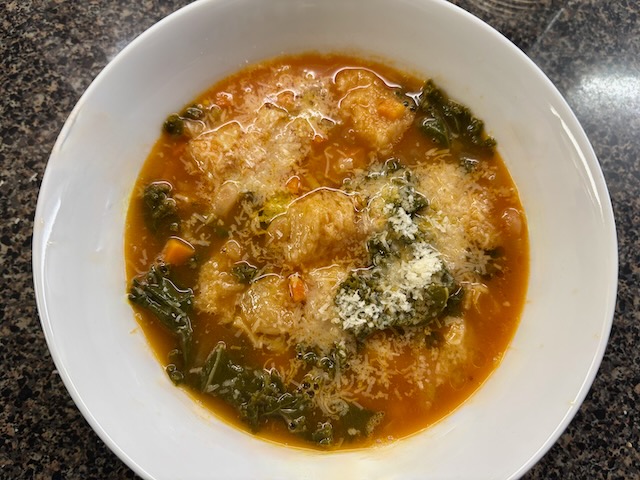
This recipe from Yotam Ottolenghi’s Comfort is exactly what the cookbook title says—comfort food at its best. Roast eggplant pieces for a half hour and then add tomatoes, oregano, basil, garlic, a red chile, tomato paste, sugar, butter and fusilli or other short, dried pasta. Add boiling water, cover and cook for another half hour. Stir and cook, uncovered, for another 10 or 15 minutes. Let it rest for 10 minutes and then serve sprinkled with cheese and fresh herbs. Cook’s note: It took longer than 30 minutes for the pasta to cook; the next time I make this I will partially cook it in boiling water before adding it to the other ingredients.

Avoiding Additives and Preservatives

Unico tomatoes and No Name tomato paste are additive-free. Check the oregano to make sure it does not contain colour or anti-caking agents. Use a butter that contains only milk or cream, with no colour added. Genuine parmesan contains no colour or additives; check for the name on the rind.

The pasta cooks with the sauce in this one-pot meal

Tomato and eggplant one-pot baked pasta

Ingredients:

¼ cup (60 ml) olive oil

2 eggplants, quartered lengthways, then each quarter cut in half widthways (1 lb 2 oz/500 g)

Salt and black pepper

12 ¼ oz (350 g) cherry tomatoes, half sliced, the rest left whole

14 oz (400 g) can diced tomatoes

1 tsp (5 ml) dried oregano

1 cup (20 g) basil leaves, roughly torn, plus a few extra leaves to serve

6 garlic cloves, peeled and thinly sliced

1 red chile, cut in half lengthways, stem left intact

2 tbsp (30 ml) tomato paste

1 tsp (5 ml) icing sugar (or granulated sugar whirred in a food processor until it is powdery)

7 tbsp (100 g) unsalted butter, cut into ¾-inch/2-cm cubes

9 oz (250 g) dried fusilli, or other short, dried pasta

1 2/3 cups (400 ml) boiling water

1/3 oz (10 g) parsley, roughly chopped

1 ½ oz (40 g) parmesan, finely grated

Salt and black pepper

Preparation:

Heat the oven to 425 F (220 C). Put the oil in a large ovenproof sauté pan for which you have a lid, then lay in the eggplants, a teaspoon of salt and a good grind of pepper. Toss to combine, then arrange the eggplants skin side down in the pan. Roast for 30 minutes, until nicely golden and starting to catch in places.

Add the remaining ingredients apart from the water, parsley and parmesan to the pan, then add 1 2/3 cup (400 ml) just-boiled water and stir in a teaspoon of salt and a good grind of pepper. Don’t worry if all the pasta is not completely covered with liquid at this stage. Cover and bake for another 30 minutes, until the tomatoes have cooked down and the pasta is tender.

After the pasta has been in the oven for 30 minutes, give everything a good stir and cook uncovered for a final 10–15 minutes, until the sauce clings to the pasta and is starting to catch in places. Remove, leave to sit for 10 minutes, then serve with the parsley, parmesan and extra basil leaves sprinkled over the top. Serves 4.

From Comfort by Yotam Ottolenghi

This recipe from Food and Wine combines fresh sausage meat with a savoury tomato sauce. Marinate the sausage meat in wine, garlic and spices. Brown the sausage and add the vegetables, more wine and tomatoes. Simmer the sauce while you cook the pasta. Add the drained pasta to the sauce along with cheese, basil, parsley and pasta cooking water, if needed. Serve hot, garnished with more basil and parsley.

Avoiding Additives and Preservatives

I used a white wine from Frogpond Farm that has a sulfite count under 10 parts per million. I used Free From hot Italian sausages. Check the dried spices to make sure they don’t contain colour or anti-caking agents. Unico tomatoes are additive-free. Genuine Parmigiano-Reggiano is free of additives; look for the name stamped on the rind.

Make the sauce

Add the cooked pasta

Spaghetti with fresh sausage

Ingredients:

4 garlic cloves, grated (about 1 tablespoon/15 ml)

1 1/3 cups (332.5 ml) dry white wine, divided

1 pound (454 g) sweet Italian sausage, casings removed

1 teaspoon (5 ml) ground fennel

½ teaspoon (2.5 ml) black pepper

½ teaspoon (2.5 ml) crushed red pepper

¼ cup (60 ml) extra-virgin olive oil

1 small yellow onion, finely chopped (about ¾ cup/160 ml)

1 small carrot, finely chopped (about 1/3 cup/82.5 ml)

1 celery stalk, finely chopped (about ¼ cup/60 ml)

1 (28-ounce/796 ml) can whole peeled tomatoes, undrained and crushed

1 (14.5-ounce/411 g) can whole peeled tomatoes, undrained and crushed

1/8 teaspoon (0.6 ml) kosher salt

1 pound (454 g) uncooked spaghetti

2 ounces (57 g) Parmigiano-Reggiano cheese, grated (about ½ cup)

¼ cup (60 ml) chopped fresh basil, plus small leaves for garnish

1 cup (250 ml) chopped fresh flat-leaf parsley, plus more for garnish

Preparation:

Stir together garlic and 1/3 cup (82.5 ml) wine in a large bowl. Add sausage, fennel, black pepper, and crushed red pepper; stir well to combine. Cover and refrigerate for at least 1 hour or up to 12 hours.

Heat oil in a large skillet over medium until shimmering. Increase heat to high, and add sausage mixture; cook, stirring occasionally to break up clumps, until lightly browned, 6 to 7 minutes. Stir in onion, carrot, and celery; cook, stirring often, until softened, about 4 minutes. Add remaining 1 cup wine; cook, scraping up any browned bits on bottom of the skillet, until wine is nearly evaporated, 5 to 6 minutes. Stir in crushed tomatoes with juices and salt. Bring mixture to a simmer over high; reduce heat to medium-low, and simmer, stirring occasionally, until thickened and reduced by about half, 30 to 35 minutes.

Bring a large pot of salted water to a boil over high. Add spaghetti; cook according to package directions for al dente, about 8 minutes. Drain pasta, reserving ½ cup (125 ml) cooking liquid. Stir spaghetti into sauce in skillet; stir in cheese, basil, and parsley. Add reserved cooking liquid, ¼ cup (60 ml) at a time, if needed to thin sauce to desired consistency. Increase heat to medium-high; cook, stirring often, until sauce clings to pasta, about 2 minutes. Garnish with additional basil and parsley. Serve hot. Serves 6.

From Food and Wine

This tasty recipe from Food and Wine would be perfect for your next meatless Monday. Blend yogurt, lemon zest and juice, garlic, salt and pepper to make a sauce. Grate and drain zucchini and mix with eggs, scallions, herbs, feta, panko, salt and pepper. Form into patties and refrigerate for a half hour. Coat patties with more panko and then fry for a few minutes on each side. Cook’s note: I didn’t have yogurt so I made the sauce with mayonnaise, lemon juice and capers. I also omitted the garnish.

Avoiding Additives and Preservatives

Use a yogurt that is free of additives, such as Astro brand. I used Krinos feta. Most brands of panko are additive-free; check the label to make sure.

Fry the fritters for a few minutes on each side

Greek zucchini fritters

Ingredients:

Garlic yogurt

1 cup (250 ml) plain whole-milk strained (Greek-style) yogurt

½ teaspoon (2.5 ml) grated lemon zest plus 2 teaspoons (10 ml) fresh lemon juice

1 garlic clove, grated (about 2 teaspoons/10 ml)

½ teaspoon (2.5 ml) kosher salt

1/8 teaspoon (0.6 ml) black pepper

Zucchini fritters

2 pounds (900 g) zucchini

1 teaspoon (5 ml) kosher salt, divided

2 large eggs

3 medium scallions, thinly sliced (about ¾ cup/187 ml)

3 tablespoons (45 ml) chopped fresh dill

3 tablespoons (45 ml) chopped fresh flat-leaf parsley

2 tablespoons (30 ml) chopped fresh mint

7 ounces (200 g) Greek sheep-milk feta cheese, crumbled

1 ½ cups (375 ml) panko, divided

½ teaspoon (2.5 ml) black pepper

½ cup (125 ml) vegetable oil, divided

Additional ingredients

Capers, fresh dill sprigs, and chopped tomatoes, for garnish

Preparation:

Stir together yogurt, lemon zest and juice, garlic, salt, and black pepper in a medium bowl. Cover and let stand at room temperature to allow flavours to meld, about 1 hour.

Meanwhile, shred zucchini using the large holes of a box grater. You should have about 2 cups (500 ml). Stir together zucchini and ½ teaspoon (2.5 ml) salt in a large colander. Set aside, and let drain until zucchini release liquid, 10 to 15 minutes. Bundle zucchini in a clean kitchen towel, making sure to squeeze out as much liquid as possible.

Whisk eggs in a large bowl; whisk in scallions, dill, parsley, and mint until combined. Stir in drained zucchini, feta, 1 cup (250 ml) panko, black pepper, and remaining ½ teaspoon (2.5 ml) salt until panko is evenly distributed. Divide mixture into 12 balls; form each ball into a 2 ½-inch (6.35-cm) patty. Place on a large, rimmed baking sheet; refrigerate, uncovered, 30 minutes.

Preheat oven to 200 F (93 C). Place a wire rack inside a second rimmed baking sheet and set aside. Place remaining ½ cup (125 ml) panko in a medium-size shallow bowl. Remove patties from refrigerator, and coat tops and bottoms in panko, pressing lightly to adhere. Heat 2 tablespoons vegetable oil in a large skillet over medium. Add three patties to skillet; cook until golden brown on each side, two to three minutes total. Transfer patties to prepared baking sheet; keep warm in preheated oven. Repeat cooking process with remaining patties. Garnish fritters with capers, dill sprigs, and chopped tomatoes. Serve with garlic yogurt. Serves 6.

From Food and Wine

These pork meatballs from NYT Cooking make a tasty weeknight supper. Mix ginger, garlic, spices, cilantro, panko and pork together and form into meatballs. Brown the meatballs and then add more ginger, tomatoes, fish or soy sauce and salt. Simmer for a few minutes, add scallions and lime juice, mix together and serve.

Avoiding Additives and Preservatives

Check the dried spices and panko to make sure they don’t contain colour or anti-caking agents. Use tamari instead of soy sauce or use a fish sauce without additives, such as Cock brand. Use freshly squeezed lime juice.

Make the meatballs

Brown the meatballs and add tomatoes and other ingredients

Gingery meatballs in tomato sauce

Ingredients:

2 tablespoons (30 ml) finely grated or minced fresh ginger

3 garlic cloves, finely grated or minced

1 teaspoon (5 ml) round cumin, more for serving

1 teaspoon (5 ml) fine sea or table salt, more as needed

½ teaspoon (2.5 ml) ground coriander

1 pound (454 g) ground pork (or turkey, chicken, beef, lamb or vegan meat)

½ cup (125 ml) panko breadcrumbs (or use plain)

2 tablespoons (30 ml) finely chopped fresh cilantro leaves and tender stems, more for serving

2 tablespoons (30 ml) extra-virgin olive oil

2 cups (500 ml) diced fresh ripe or overripe tomatoes

1 teaspoon (5 ml) fish sauce or soy sauce

4 scallions, thinly sliced

1 lime, halved

Preparation:

In a large bowl, mix together 1 tablespoon (15 ml) ginger, the garlic, cumin, salt and coriander. Add pork, panko and cilantro. Using your hands, gently mix everything together, making sure not to overwork the mixture. (Otherwise, the meatballs get tough.) Form into 1- ¼ inch (3.18-cm) balls.

Heat a large skillet over medium-high, then add the oil and let it heat up until it thins out. Add meatballs in one layer. Cook, turning and shaking the pan, until meatballs are browned all over, 5 to 7 minutes.

Move meatballs to one side of the pan, scraping up any browned bits. Add the remaining 1 tablespoon (15 ml) ginger to the empty side of the pan and sauté for 1 minute. Add tomatoes, fish or soy sauce and a pinch of salt to the empty side of the pan. When tomatoes are simmering, cover the pan, lower the heat to medium, and let cook until the meatballs are no longer pink at the center, about 5 to 8 minutes longer.

Uncover the pan. Mix the scallions into the sauce. Squeeze lime juice all over everything, then stir together. Taste and add salt and lime juice as needed. Serve the meatballs sprinkled with more cumin and topped with cilantro. Serves 4.

From NYT Cooking
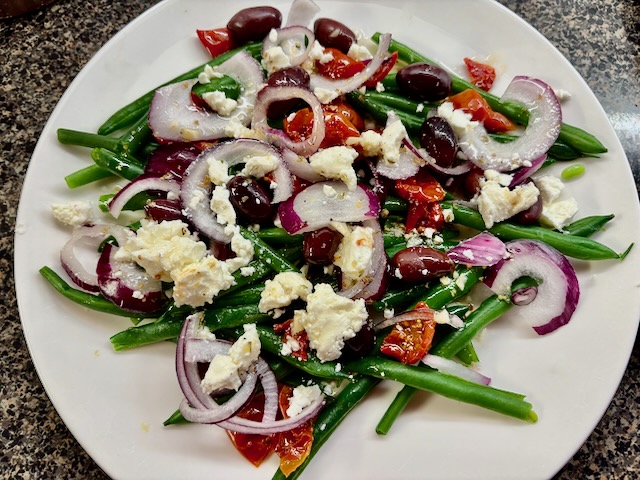
This meatless dish from NYT Cooking combines seared paneer—a cheese used in South Asian cuisine—with onion, spices, tomatoes and peas. Brown the paneer and set aside. Cook the onion, ginger and garlic, add the spices, tomatoes and water and simmer for a few minutes. Add peas and the seared paneer and heat through. Top with a swirl of cream and a sprinkling of garam masala and serve with rice or flatbread. Cook’s note: I used canola oil and made my own cashew butter; the recipe is below.

Avoiding Additives and Preservative

Check the paneer to make sure it does not contain additives. Make sure the spices do not contain colour or anti-caking agents. To make cashew butter, whirl ¼ cup (60 ml) raw cashews in a food processor for several minutes until smooth and creamy.

Brown the paneer

Simmer the tomatoes and spices

Return paneer to pan, add peas and simmer until heated through

Ingredients:

¼ cup (60 ml) ghee or neutral oil

½ pound (227 g) paneer or extra-firm tofu, cut into 1-inch (2.54-cm) cubes and patted very dry

1 medium yellow onion, finely chopped

½ teaspoon (2.5 ml) ginger paste or freshly grated ginger

½ teaspoon (2.5 ml) garlic paste or freshly grated garlic

1 teaspoon (5 ml) cumin seeds

¾ teaspoon (3.75 ml) kashmiri or other red chile powder

¼ teaspoon (1.25 ml) turmeric powder

3 medium plum tomatoes, finely chopped

1 teaspoon (5 ml) fine sea salt

2 tablespoons (30 ml) cashew butter

8 ounces (227 g) frozen (no need to thaw) or fresh green peas (about 1¾ cups)

3 tablespoons (45 ml) heavy cream or cashew cream (optional)

½ teaspoon (2.5 ml) garam masala

Rice or flatbread, for serving

Preparation:

Heat ghee or oil in a large frying pan or medium wok on high for 30 seconds, or until it is melted/hot. Lower heat to medium and lightly fry paneer or tofu cubes, turning frequently, until they are golden on all sides, about 5 minutes. Remove and set aside on a plate lined with a paper towel.

In the same frying pan or wok, add onion, ginger and garlic, and cook on medium, stirring occasionally, for 5 to 7 minutes or until onions are translucent.

Add cumin seeds, chile powder and turmeric, and stir until fragrant, about 30 seconds to 1 minute. Stir in tomatoes and salt. Add ¾ cup (187.5 ml) water. Simmer on medium until the mixture thickens slightly, about 3 to 5 minutes.

Lower the heat to medium-low and stir in cashew butter. Add peas and paneer. Stir to combine. Simmer for 5 minutes or until it reaches your desired thickness. Top with heavy cream in a swirl, if you like. Sprinkle with garam masala. Serve with rice or roti. Serves 4.

From NYT Cooking

I love Yotam Ottolenghi’s cookbooks and his new one, Ottolenghi Comfort, is a great addition to the collection. The first recipe I tried was this delicious sheet-pan salmon, baked and topped with a puttanesca-style oil and salsa. Ottolenghi’s recipes are often labour-intensive and require many (and sometimes hard-to-find) ingredients, but the results are worth it. Most of the ingredients called for in this collection are easier to find than the ones in earlier books. Cook’s note: I used broccoli instead of green beans.

Avoiding Additives and Preservatives

Make sure the dried spices don’t contain colour or anti-caking agents. It is difficult to find preserved lemons without additives, so I make my own by rinsing three lemons, slicing them thinly crosswise and tossing them with 3 tbsp (45 ml) sugar, 3 tbsp (45 ml) table salt and ¾ cup (187 ml) olive oil. Place in bowl or jar, cover and refrigerate for at least 24 hours or up to two weeks. I used pure maple syrup, Jesse Tree olives, Unico capers and freshly squeezed lemon juice.

After roasting the vegetables for a few minutes, add the salmon and top with the tomato anchovy oil

While the salmon bakes, make the salsa

Puttanesca-style sheet-pan salmon

Ingredients:

Salmon and vegetables

7 oz (200 g) green beans

7 green onions

7 oz (200 g) cherry tomatoes, halved

6 salmon fillets, skin on (about 1 lb 9 oz/720 g)

Tomato anchovy oil

1/3 cup (70ml) olive oil

8 anchovy fillets in oil, drained and finely chopped

2½ tbsp (37.5 ml) tomato paste

1½ tsp (7.5 ml) chilli flakes

2 tsp (10 ml) coriander seeds, lightly bashed in a mortar

8 garlic cloves, peeled and very thinly sliced

2 preserved lemons, flesh scooped out and discarded, rind finely chopped (2 oz/60g net)

2 tsp (10 ml) maple syrup

For the salsa

½ cup (125 ml) pitted kalamata olives

½ cup (125 ml) baby capers (or regular capers, roughly chopped)

1 preserved lemon, flesh scooped out and discarded, rind thinly sliced (1 oz/30g)

½ cup (125 ml) basil leaves, roughly chopped

½ (125 ml) cup flat-leaf parsley leaves, roughly chopped

2 tbsp (30 ml) olive oil

2 tsp (10 ml) lemon juice

Preparation:

First make the oil. Put the oil, anchovies and tomato paste in a small sauté pan on a medium heat and cook, stirring, for five minutes. Add the chilli flakes and coriander seeds, cook for another minute, until fragrant, then take off the heat and add the garlic, preserved lemon and maple syrup. Stir to combine, then leave to cool for about 15 minutes.

Meanwhile, heat the oven to 450 F (232 C) and place the beans, green onion and tomatoes on large lined baking sheet. Drizzle 3 tbsp (45 ml) of the tomato anchovy oil, along with ¼ tsp (1.25 ml) salt and a good grind of pepper. Toss to combine and place in the oven for 12-13 minutes, until the beans and tomatoes are starting to soften and taking on little colour.

Meanwhile, arrange the salmon fillets on a plate and, using a spoon, drizzle the remaining tomato anchovy oil as well as all the solids evenly over the fillets. Once the beans and tomatoes have done their time in the oven, nestle the salmon fillets among them and bake for 12 minutes Set aside for 5 minutes out of the oven to rest.

While the salmon is baking, make the salsa. Mix the olives, capers, preserved lemon, basil and parsley leaves, olive oil and lemon juice in a small bowl, then 1/8 teaspoon (0.6 ml) of salt  and mix again. Scatter half the salsa over the salmon and serve the fish warm or at room temperature with the rest of the salsa in a bowl on the side. Serves 4.

From Ottolenghi Comfort

If you are looking for an easy and delicious fall dessert, try these no-bake pumpkin cheesecakes from Canadian Living. Beat together cream cheese, sugar, pumpkin purée, cream and pumpkin pie spice. Spoon into individual serving dishes and chill for an hour. Just before the hour is up, whip cream and sugar until soft peaks form. Spoon the whipped cream over the cheesecakes and refrigerate for up to 24 hours before serving. Cook’s note: This recipe makes two servings, but I tripled it to serve 6 and it worked fine. I sprinkled a little pumpkin pie spice on top of the whipped cream.

Avoiding Additives and Preservatives

I used Tre Stelle cream cheese and Eden 100% pumpkin purée. I made my own pie spice; see the recipe below. Check the dried spices to make sure they don’t contain colour or anti-caking agents.

No-bake pumpkin cheesecakes

Ingredients:

Pumpkin cheesecake

3 oz (85 g) cream cheese, softened

3 tablespoons (45 ml) granulated sugar

1/3 cup (85 ml) pumpkin purée

2 tablespoons (30 ml) whipping cream (35%)

¼ teaspoon (1.25 ml) pumpkin pie spice

Whipped cream

¼ cup (60 ml) whipping cream (35%)

½ teaspoon (2.5 ml) granulated sugar

Pumpkin pie spice

¾ tsp (3.75 ml) cinnamon

½ tsp (2.5 ml) ground ginger

¼ tsp (1.25 ml) nutmeg

¼ tsp (1.25 ml) ground cloves

Preparation:

Pumpkin pie spice: Whisk the spices together.

Pumpkin cheesecake: In large bowl, beat cream cheese until smooth; beat in sugar for about 2 minutes. Beat in pumpkin, cream and pumpkin pie spice. Scrape into two 6-oz (175 ml) ramekins or glasses, smoothing tops. Refrigerate until chilled, about 1 hour.

Whipped cream: In bowl, beat cream with sugar until soft peaks form. Spoon over cheesecakes. (Make-ahead: Cover and refrigerate for up to 24 hours.) Serves 2.

From Canadian Living

« Previous PageNext Page »