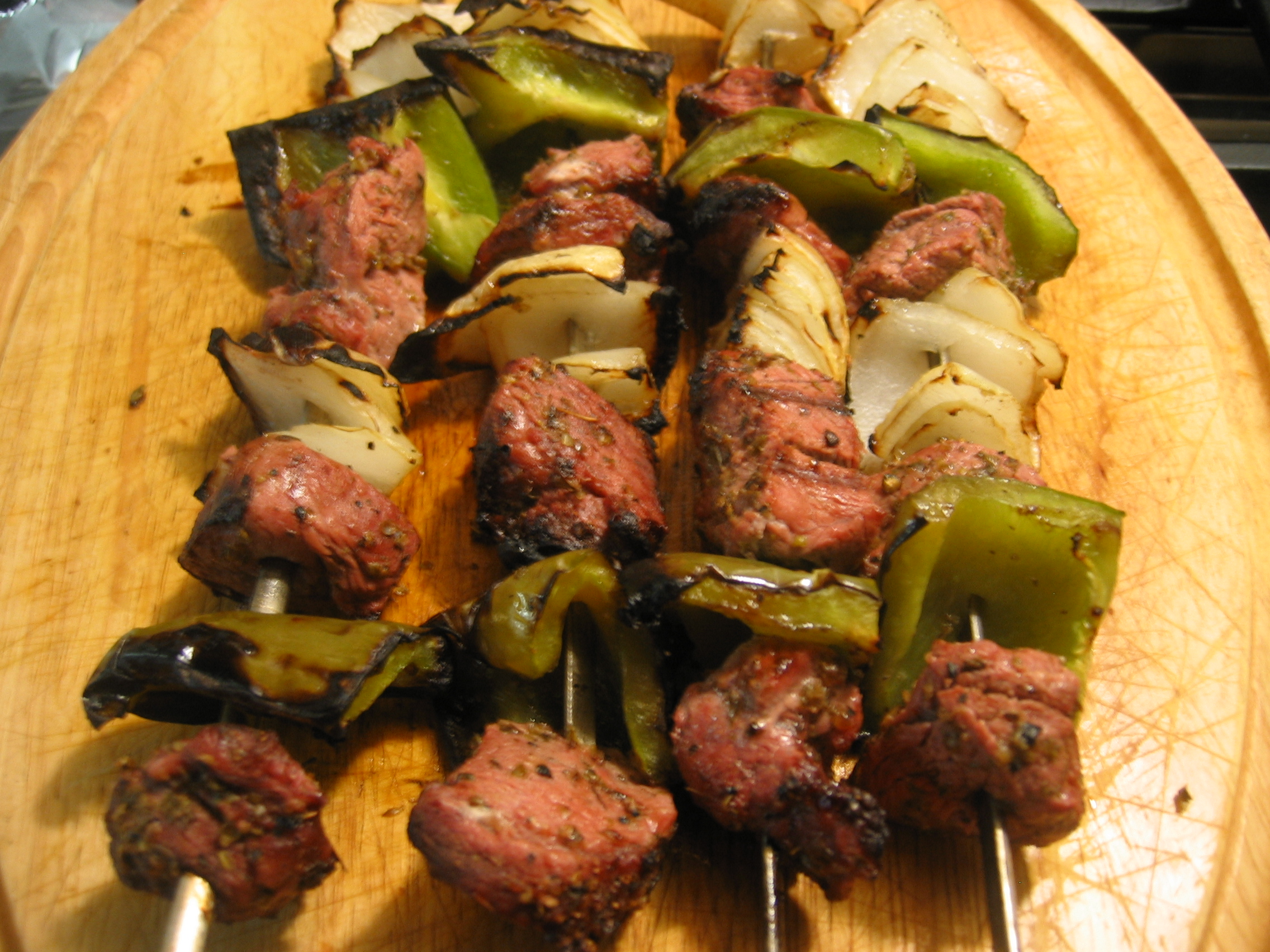
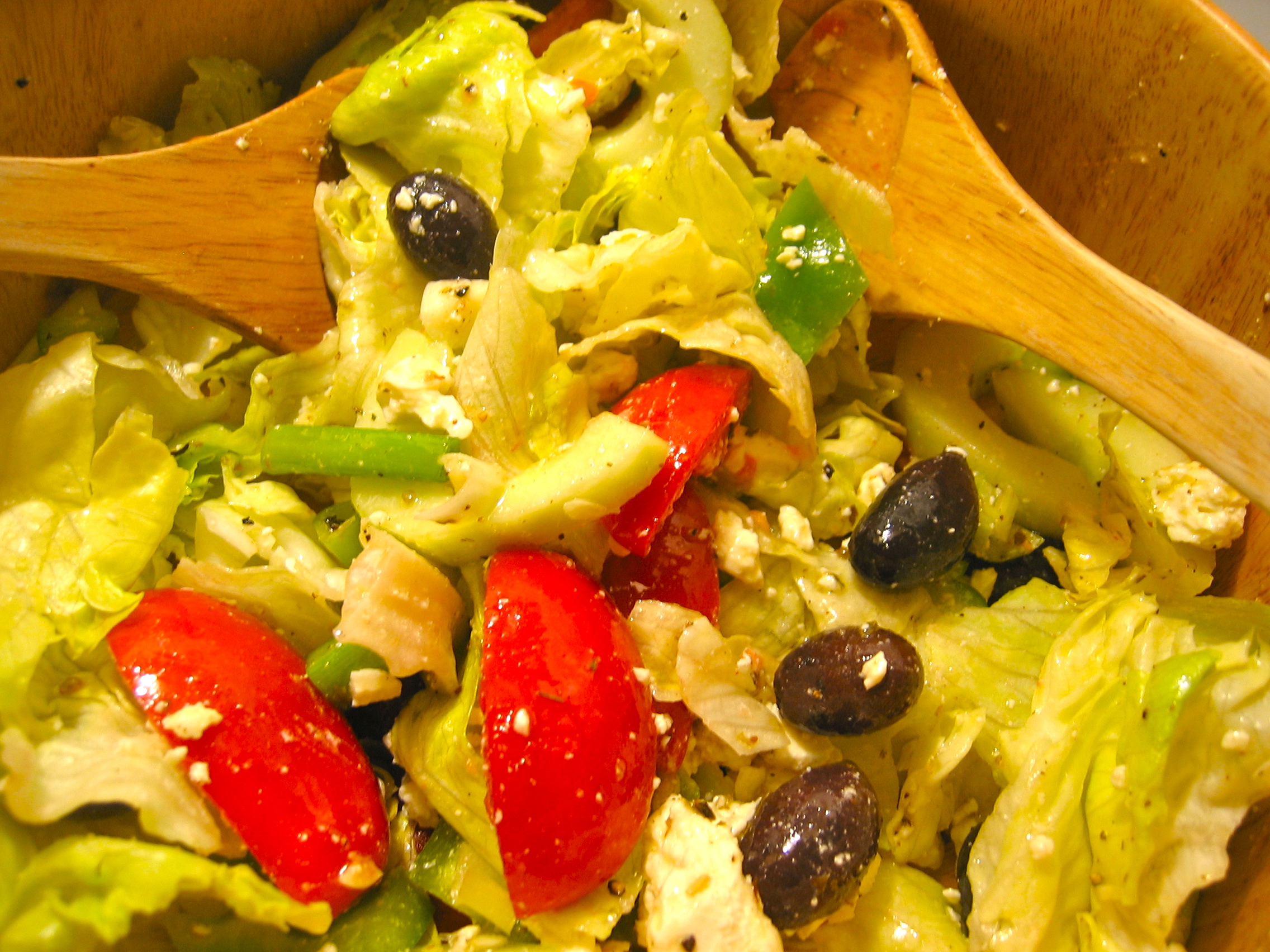
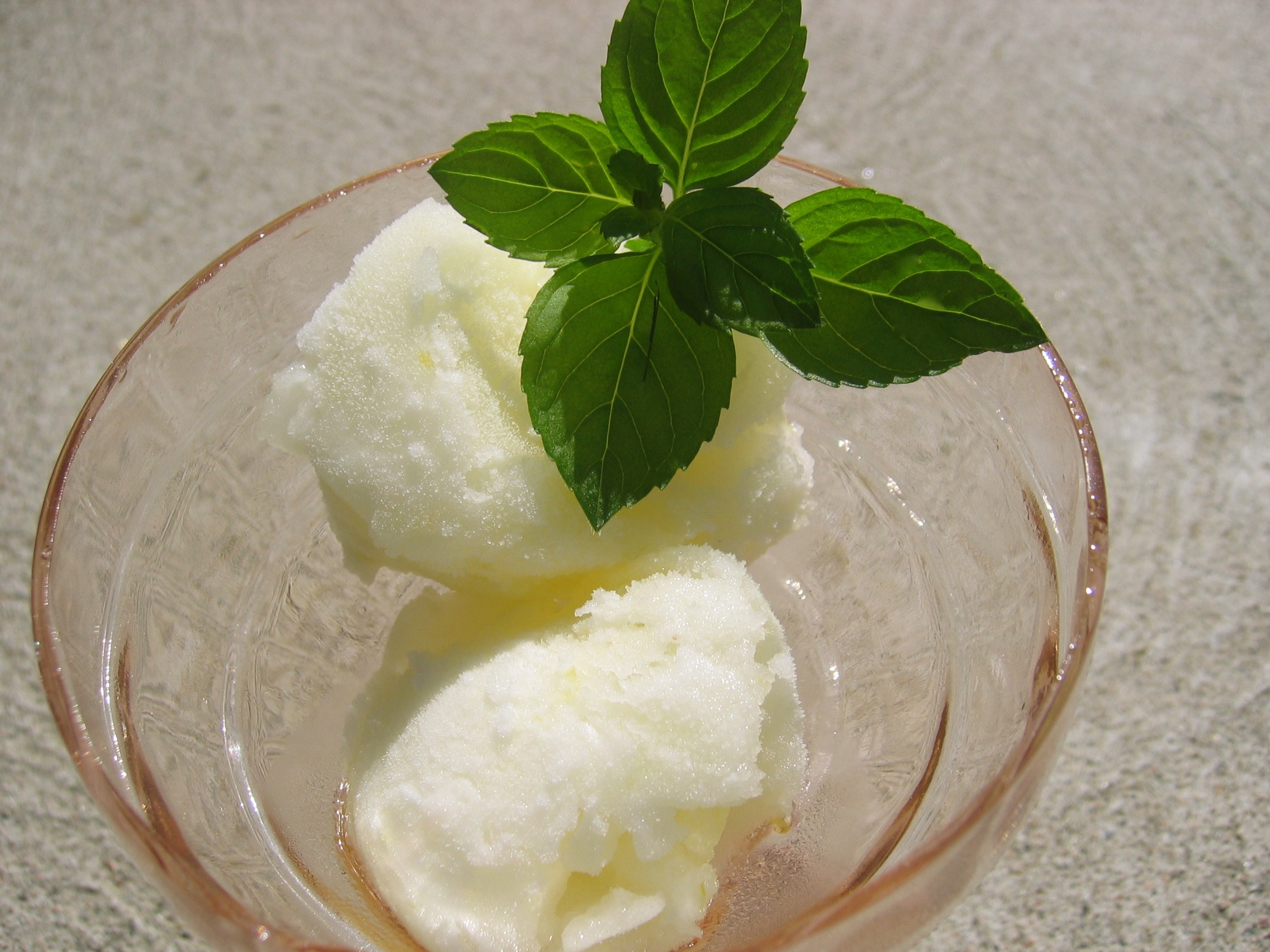
We love hot and spicy food and this grilled chicken from the July 2010 issue of Bon Appetit was excellent. I couldn’t find piri-piri sauce locally, so I substituted Tabasco brand hot sauce, which worked very well. If you are looking for ways to use the cilantro in your garden, try this recipe, because both the glaze and marinade include it. I marinated the chicken for 24 hours.

Piri-Piri marinade

Marinate the chicken overnight if you have time

I grilled the chicken over charcoal with a handful of soaked apple wood chips. The glaze, which is poured over the cooked chicken, is fabulous. I served the chicken with roasted asparagus and sautéed corn.

To avoid additives and preservatives in this recipe, use Tabasco brand hot sauce, butter that does not contain colour and fresh lemon juice (concentrates contain sodium benzoate).

Piri-Piri chicken with roasted asparagus and sauteed corn

Ingredients:

Glaze:

3 tablespoons butter

3 tablespoons chopped fresh cilantro

2 garlic cloves, minced

2 tablespoons piri-piri sauce or other hot pepper sauce

2 tablespoons fresh lemon juice

Chicken:

1/4 cup chopped fresh cilantro

1 2-inch piece fresh ginger, peeled, thinly sliced

1 large shallot, peeled, quartered

3 garlic cloves, peeled

1/2 cup piri-piri sauce or other hot pepper sauce

1/4 cup extra-virgin olive oil plus additional for brushing

1/4 cup fresh lemon juice

1 teaspoon coarse kosher salt

1 teaspoon freshly ground black pepper

1 3 1/2- to 4-pound chicken, backbone removed, opened flat

1 11 3/4 x 8 1/2 x 1 1/4-inch disposable aluminum baking pan (to catch drips)

Preparation:

For glaze:

Melt butter in small saucepan over medium-high heat. Add cilantro and garlic; cook until garlic begins to brown, about 2 minutes. Add piri-piri sauce and lemon juice. Reduce heat to medium-low; simmer 2 minutes. Glaze can be made up to 1 day ahead. Cover and chill. Rewarm before using.

For chicken:

Finely chop cilantro, ginger, shallot, and garlic in processor. Add piri-piri sauce, 1/4 cup oil, lemon juice, coarse salt, and pepper; process marinade to blend.

Place chicken, skin side up, on work surface. Using palm of hand, press on breastbone to flatten chicken. Tuck wing tips under. Pour half of marinade into 11×7x2-inch glass baking dish. Open chicken like book; place skin side down in single layer in dish. Pour remaining marinade over. Cover; chill at least 4 hours or overnight, turning chicken occasionally.

Remove top rack from barbecue. Prepare barbecue (medium heat). If using 2-burner gas grill, light 1 burner. If using 3-burner gas grill, do not light center burner. If using charcoal grill, light briquettes in chimney and pour onto 1 side of lower grill rack. Place disposable aluminum pan on unlit part of grill.

Place upper grill rack on barbecue; brush with oil.

Remove chicken from marinade. Arrange skin side up on grill rack above drip pan. Cover barbecue; grill until skin is browned and instant-read thermometer inserted into thickest part of thigh registers 165°F, turning often, about 40 minutes. Transfer to platter. Pour warm glaze over. Serves 4.

From the July 2010 issue of Bon Appetit

Chicken Piri Piri

The July 2010 Daring Cooks’ Challenge was hosted by Margie of More Please (www.morepleasebymargie.blogspot.com) and Natashya of Living in the Kitchen with Puppies (www.livinginthekitchenwithpuppies.blogspot.com). They chose to challenge Daring Cooks to make their own nut butter from scratch, and use the nut butter in a recipe. Their sources include Better with Nut Butter by Cooking Light Magazine, Asian Noodles by Nina Simonds, and Food Network online.

This challenge was easier than last month’s, which involved baking bread and making pâté. I decided to make cashew butter, which forms the basis of the dressing for one of the challenge recipes, Asian Noodle Salad with Cashew Dressing.

Cashew butter couldn’t be easier to make – just process a cup of roasted unsalted cashews in the food processor until a spreadable paste or butter is formed. It takes 2-3 minutes.


The cashew dressing, which is like a peanut dressing for satay, is delicious. This recipe makes loads more than you will need for the salad, so plan your menus accordingly!


The Asian Noodle Salad is perfect for a summer lunch or light dinner. Cooked noodles are drained, cooled and tossed with cucumber, red pepper, scallions, basil and cooked shrimp. I grilled the shrimp and used a blend of regular and Thai basil. Delicious!


Asian Noodle Salad with Cashew Dressing

Yield: 4 servings

Recipe notes: Customize the salad by adding or substituting your favorite vegetables. Shredded cabbage, bean sprouts, and slivered carrots would make nice additions. You can omit the shrimp, or substitute chicken or tofu or the protein of your choice. The dressing is equally good with peanut butter.

Cashew Butter

Ingredients:

1 cup (240 ml) cashews*

Cashew Dressing:

½ inch (1 cm) slice of fresh ginger, chopped

8 cloves garlic, more or less to taste, chopped

½ cup (120 ml) cashew butter

¼ cup (60 ml) soy sauce

3 Tablespoons (45 ml) sugar

3 Tablespoons (45 ml) vinegar

3 Tablespoons (45 ml) toasted sesame oil

¼ cup plus 1 Tablespoon (75 ml) water

Hot sauce to taste (optional)

Noodle Salad

½ pound (225 g) linguine or thin rice noodles

1 tablespoon (15 ml) olive oil

½ pound (225 g) small or medium shrimp, peeled and deveined

1 large red bell pepper, cored and seeded, cut into thin strips

1 cucumber, peeled, seeded, sliced

¼ cup (60 ml) sliced green onions

¼ cup (60 ml) chopped fresh basil

1 tablespoon (15 ml) chopped cashews (optional garnish)

Lime wedges (optional)

Directions:

Make cashew butter: Grind cashews in food processor for about 2 minutes until smooth. (*or start with ½ cup (120 ml) prepared cashew butter.)

Prepare cashew dressing: Combine ginger, garlic, cashew butter, soy sauce, sugar, vinegar, sesame oil, and water in food processor or blender. Process/blend until smooth. Be sure to process long enough to puree the ginger and garlic. The dressing should be pourable, about the same thickness as cream. Adjust consistency – thinner or thicker – to  your liking by adding more water or cashew butter. Taste and add your favorite hot sauce if desired. (If the cashew butter was unsalted, you may want to add salt to taste.) Makes about 1 ½  cups (360 ml) dressing. Store any leftover dressing in the refrigerator.

Prepare noodles according to package instructions in salted water. Rinse and drain noodles. Set aside.

Heat oil in large non-stick pan over medium heat. Add shrimp to the pan and sauté for about 3 to 4 minutes or until opaque throughout. Alternately, cook shrimp in boiling water for about 2 to 3 minutes or until done. You can also grill the shrimp, about 2-3 minutes per side, until done.

Slice basil into thin ribbons. Combine noodles, bell pepper, cucumber, onions, and basil in a large bowl. Add about ½ cup (120 ml) cashew dressing; toss gently to coat. Add more cashew dressing as desired, using as much or as little as you’d like. Scatter shrimp on top. Squeeze fresh lime juice over salad or serve with lime wedges. Sprinkle with chopped cashews if desired.

If you grow peas in your garden, or have ready access to them at the store or farmers’ market, I envy you. I love fresh peas, but can hardly ever find them. And they don’t do well in our garden.

So imagine how happy I was this week when Bill brought home a basket of gorgeous peas in the pod.

Fresh peas are wonderful just boiled in salted water, but I highly recommend this recipe for Petits Pois à la Française (French-style peas) from the 1984 Gourmet Cookbook, Volume I. The peas are boiled in water with butter, spring onions, shredded lettuce, sugar, salt and sprigs of parsley and chervil until almost done, and then you add a little butter and flour to make a lovely light sauce for them.

Ingredients for French-style peas

Peas and chervil were made for one another, and this is my favourite way to use this delicate herb with a mild licorice flavour.

Chervil has a mild licorice flavour

Once the peas have cooked, you stir in some flour creamed with butter and voilà – perfect peas.

French-style peas with sauteed corn and grilled chicken

French-style peas

Ingredients:

3 tbsp butter, divided (2 tbsp + 1 tbsp)

6 tiny spring onions or scallions (white part only)

5 or 6 leaves lettuce, shredded

1 tbsp sugar

½ tsp salt

3 sprigs of parsley and 3 sprigs of chervil, tied together

2 generous cups freshly shelled peas (about 2 lbs. in the pod)

½ cup water

½ tsp all-purpose flour

Place 2 tbsp butter, onions, lettuce, sugar, salt, parsley, chervil, peas and water in a saucepan. Bring to boil, cover the pan and cook rapidly for about 5 minutes, until the peas are almost done. There should only be 2 or 3 tbsp of water left in the pan. Discard the herbs and remove the pan from the heat. Add 1 tbsp butter creamed with the flour to the pan and return it to the heat, shaking it until the butter and flour mixture has combined with the liquid. As soon as the liquid boils again, remove from heat and serve the peas. Serves 2.

From The Gourmet Cookbook, Volume I, 1984

This new find from the July/August issue of Everyday Food starts with a rosemary-garlic oil that is brushed on both the steak and the vegetables prior to grilling.

Steak brushed with herb oil

While the cooked steak is resting you can quickly grill the vegetables and then drizzle them and the steak with a dressing made of the herb oil, balsamic vinegar and honey. I didn’t have eggplant or summer squash, so I used wedges of radicchio, halved fingerling potatoes, orange bell pepper, cherry tomatoes, red onion slices, zucchini and scallions.

Use a selection of veggies for the grill

To avoid additives in this recipe, be sure to use a brand of balsamic vinegar that contains only naturally occurring sulfites or that is labeled “no sulfites added”.

Grilled veggies tossed with dressing

Ingredients:

1/3 cup extra-virgin olive oil, plus more for grill

2 sprigs rosemary

5 garlic cloves, thinly sliced

1 ¼ lbs steak

Coarse salt and freshly ground pepper

1 medium eggplant, cut into ¼-inch slices

1 zucchini, cut into ¼-inch-thick slices

1 yellow squash, cut into ¼-inch-thick slices

½ lb cherry tomatoes on the vine, or plum tomatoes halved

1 bunch scallions

1 sweet bell pepper, any colour, cut into sixths, seeds and stem removed

2 tbsp balsamic vinegar

1 ½ tsp honey

Preparation:

Heat a grill to medium-high. Clean and lightly oil hot grill. In a small oven-proof pot, combine oil, rosemary and garlic and place on grill or stovetop burner. Cook until oil begins to bubble, 2 minutes. Remove herb oil from heat and set aside 3 tablespoons in a small bowl. Brush steak with herb oil, season with salt and pepper, and grill, turning occasionally, until it is medium-rare. Transfer to a cutting board and tent with foil. Let rest for 10 minutes.

In batches, brush vegetables with herb oil, season with salt and pepper, and grill, turning occasionally, until tomato skins are split and vegetables are tender, 3-5 minutes total. Transfer to a serving platter. Add vinegar and honey to reserved oil and whisk together. Season to taste with salt and pepper, then drizzle dressing over steak and vegetables.  Serves 4.

From the July/August issue of Everyday Food

The other night our friends Allan Stanley and Eileen Hennemann came over for an impromptu barbecue. Allan, who is a fabulous cook, brought marinated skinless boneless chicken breasts and a gorgeous reduction sauce. He reduced the sauce even further while the chicken grilled and smoked over charcoal and soaked cherry wood chips. It was unbelievably good! Eileen took these wonderful photos.

The sauce preparation is based on the reduction technique Allan learned during the course he took a few years ago at the prestigious Leiths School of Food and Wine in London, England. (www.leiths.com). Allan explains that it is a particularly useful technique if you are unable to pan-sear your meat to produce fond – the lovely caramelized bits left on the bottom of the pan – that are typically deglazed from the pan with added liquid.

Marinade

Ingredients:

4 tbsp olive oil

¼ cup balsamic vinegar

1 tomato chopped

1 tbsp tomato paste (Allan likes to use tomato paste that comes in a tube, as opposed to opening a can for just a small amount)

4-6 garlic cloves minced

4 green onions chopped

2 shallots chopped

1 tbsp fresh thyme chopped

1 tbsp rosemary chopped

1 tbsp tarragon chopped

1 tbsp basil chopped

1 tbsp Dijon mustard

1 tbsp honey

Pinch of cayenne

Salt and pepper to taste

Preparation:

Whisk together oil, vinegar, tomato, tomato paste and garlic until emulsified. Stir in remaining ingredients. Marinate for a few hours or overnight. Makes enough marinade for four skinless, boneless chicken breasts or four barbecue-cut pork chops.

Reduction Sauce

Ingredients:

*Mirepoix – 1 cup coarsely chopped onions, ½ cup each carrots and celery

2 tbsp olive oil

½ tsp salt

½ tsp pepper

1 tbsp tomato paste

½ cup white wine or Madiera

4 cups stock or apple cider reduction (4 cups apple cider reduced to 1 cup)

1 sprig each of thyme and rosemary, whole but bruised

1 tsp Dijon mustard

1 tbsp butter or cream

* Mirepoix is a combination of chopped carrots, celery and onions used to add flavor and aroma to stocks, sauces, soups and other foods. The proportions (by weight) for making mirepoix are 50% onions, 25% carrots and 25% celery.

To avoid additives and preservatives in this recipe, be sure to use balsamic vinegar and wine with no sulfites added. Also be sure to check your Dijon and butter for artificial flavours or colours.

Preparation:

Typically, you produce fond by searing your meat, which is the ideal method, providing you don’t burn the fond. “That is nothing but carbon, and will ruin all your efforts by bringing a bitter taste to the sauce,” Allan explains.

This recipe produces fond without searing meat. Brown the mirepoix in 2 tbsp olive oil with salt and pepper. Add the tomato paste and in about eight minutes this will turn a lovely russet colour. Add the wine and reduce until you have about a quarter of the original amount. Add stock and herbs. Bring to a simmer and cook for about 10 minutes. Strain the sauce through a fine sieve or, preferably, a chinois, which is a very fine-meshed conical-shaped sieve made especially for straining sauces to produce a very smooth texture. Be sure to use a wooden spoon to press on the solids to extract every bit of the delicious sauce. “Lots of flavour and thickening comes from this straining process,” says Allan. The herbs can stay in the final sauce, because you will be spooning it over the chicken.

Put the gorgeous liquid into a small saucepan and reduce further until it is the consistency you want (you can do this while the chicken is grilling). Keep the sauce thin to “flood” the plate or thicker to coat the chicken. At this point you can add a little mustard (this step is optional) to the sauce and then can finish it by whisking in (off heat) a drop of cream and or butter, which makes the sauce shiny. “Be very, very careful with the salt until the very last to taste,” adds Allan. Top the delicious sauce with a garnish of chopped parsley.

There are endless variations for this sauce. “For example, you can omit the cider reduction and add a tablespoon of apricot jam to the final sauce,” says Allan. “This sauce also works well for beef; just use beef stock instead of chicken stock and don’t use the cider reduction.”

This new find from the July 2010 issue of Bon Appetit is a perfect summer lunch or light dinner. Cooked pasta is tossed with a cilantro-lime pesto and shrimp sautéed in tequila.

To avoid additives and preservatives in this recipe, use fresh lime juice, as concentrates contain sodium benzoate. Buy feta cheese with no additives (I use Tre Stelle) and fresh or thawed frozen shrimp that has not been treated with sulfites or other preservatives.

Ingredients:

1 1/4 cups packed fresh cilantro leaves, plus 1/4 chopped
1/4 cut (scant) chopped green onions
3 tablespoons fresh lime juice
2 garlic cloves, pressed
1 tablespoon chopped seeded jalapeno chile
1/2 cup plus 1 tablespoon olive oil
1 pound linguine
1 pound uncooked medium shrimp, peeled and deveined
3 tablespoons tequila
1/4 cup crumbled Cotija or feta cheese

Directions:

Blend 1 1/4 cups cilantro leaves and next 4 ingredients in processor until coarse puree forms. With machine running, gradually add 1/2 cup oil. Season generously with salt. Pesto can be made 1 day ahead. Cover and chill.

Cook linguine in large pot of boiling salted water until tender, but firm to bite, stirring occasionally. Drain.

Meanwhile, heat remaining 1 tablespoon oil in heavy large skillet over medium-high heat. Add shrimp and cook until almost opaque in center, about 3 minutes. Remove skillet from heat; add tequila. Return skillet to heat and stir until sauce is syrupy, about 30 seconds. Add pesto; stir to coat. Remove from heat.

Add pasta to sauce in skillet; toss to coat. Season with salt and pepper. Divide pasta and shrimp among 4 plates. Sprinkle dish with cheese, chopped cilantro, and serve. Serves 4.

From the July 2010 issue of Bon Appetit, adapted from Tejas Texas Grill & Saloon

This new find from the July 2010 issue of Bon Appetit is a great side dish for grilled foods and would make an excellent entrée for vegetarians. I was a little skeptical about the amount of smoked paprika, but it imparts a delicious heartiness to the salad.  If you make this, I suggest you prepare the quinoa according to the directions on the package instead of the ones below, which produced a soggy mess of quinoa porridge. When I tried again, following the directions on the package, it turned out fine.

To avoid additives and preservatives in this recipe, be sure your Sherry vinegar has no sulfites added or substitute another type of wine vinegar. Some feta cheeses also contain artificial ingredients; I use Tre Stelle. I could not find canned chickpeas that were additive-free, so I cooked them from scratch. It’s easy to do, although it does require some advance planning. Simply soak a cup of dried chickpeas in cold water overnight, covered, in the fridge. The next day, drain the chickpeas, cover them with cold water in a saucepan and bring them to a boil. Lower the heat and cook, uncovered, until the chickpeas are tender, 75 to 90 minutes. One cup of dried chickpeas makes two cups cooked and you can freeze any you don’t use in the salad.

Ingredients:

1 1/2 cups quinoa (9 to 10 ounces), rinsed, drained

4 cups (packed) baby spinach leaves

2 15- to 16-ounce cans garbanzo beans (chickpeas), rinsed, drained

1 3/4 cups 1/3-inch cubes unpeeled English hothouse cucumber

1 1-pint container multicolored baby heirloom tomatoes, halved (2 1/2 cups)

1 cup (packed) fresh mint leaves

1 1/2 cups coarsely crumbled feta cheese (about 7 ounces), divided

1/4 cup Sherry wine vinegar

2 1/2 teaspoons smoked paprika

1/2 cup olive oil

Preparation:

Place quinoa in large saucepan; add enough salted water to cover quinoa by 1 inch. Bring to boil. Reduce heat to medium-low; cover and simmer until quinoa is tender, 15 to 16 minutes. Drain. Chill until cool.

Meanwhile, combine spinach leaves, garbanzos, cubed cucumber, halved tomatoes, mint leaves, and half of feta cheese in extra-large bowl. Add cooled quinoa and toss gently to blend.

Whisk vinegar and smoked paprika in small bowl. Gradually whisk in oil. Season dressing with salt and pepper. Pour dressing over salad; toss to coat. Season generously with salt and pepper. Sprinkle remaining feta over. Serves 6-8.

From the July 2010 issue of Bon Appetit

When it’s hot, hazy and humid, I like to get dinner preparations out of the way in the morning so I can avoid the kitchen during the hottest part of the day (and lounge by the pool instead). I usually marinate meat or poultry for the grill and prepare a couple of salads to accompany it. An old favourite summer salad is marinated cucumbers with red onions and sour cream. I like it because I can make it hours in advance and because is so refreshing. It’s from the barbecue cookbook I return to time and time again – The Canadian Living Barbecue and Summer Foods Cookbook published in 1989.

The secret is layering the sliced cucumbers with salt and weighing them down with a very heavy weight so they lose liquid and become soft. Be sure to use plain white vinegar and read the label of your sour cream to avoid additives and preservatives.

It’s great with steak or sticky grilled maple-orange glazed pork ribs (see my May 21, 2010 post for the recipe).

Marinated Cucumber Salad with Red Onions and Sour Cream

Ingredients:

2 English cucumbers, sliced (I peel them, but you don’t have to)

Salt

1 red onion, sliced

½ cup sour cream

2 tbsp packed brown sugar

2 tbsp white vinegar

¼ tsp dry mustard

Dill for garnish (optional)

Preparation:

In glass bowl, layer cucumbers, sprinkling each layer with salt. Cover with plate that fits inside bowl. Weigh down and let stand for at least three hours at room temperature. Drain and rinse well. Drain again and pat dry. Separate onion slices into rings and stir into cucumbers.  In small bowl, combine sour cream, sugar, vinegar and mustard. Pour over cucumber mixture and toss well. Cover and refrigerate until serving time, at least two hours. Garnish with dill, if using. Makes 8-10 servings.

From the Canadian Living Barbecue and Summer Foods Cookbook

I love bocconcini cheese, I love roasted red peppers, I love basil and I love balsamic vinegar, so you might say that this is my idea of the perfect appetizer. You can also make it ahead and it looks very pretty.

This appetizer was featured in the Holiday 2006 issue of the LCBO’s wonderful magazine Food & Drink, but it’s also perfect for summer entertaining because it gives you an opportunity to make pesto when basil is at its height.

Bocconcini are small, semi-soft, white and rindless unripened mild cheeses. They are typically sold packed in liquid and come in a variety of sizes, from a bit smaller than a golf ball, to the pearl-sized mini-bocconcini. I couldn’t find mini-bocconcini, so I just quartered the larger ones. Tre Stelle brand contains no artificial ingredients. Pilaros makes roasted red peppers with no additives or preservatives; if you can’t find them you could always grill and peel the peppers yourself.

Be sure to use balsamic vinegar with naturally occurring sulfites or that is labeled “no sulfites added”. The recipe calls for prepared pesto, but I just whipped some up in the food processor using extra-virgin olive oil, pine nuts, garlic, parmegiano-reggiano and fresh basil.

Ingredients:

One 200 g tub mini-bocconcini
2 tbsp (25 mL) prepared pesto
Pinch pepper
2 roasted red peppers, patted dry
Aged balsamic vinegar

Drain bocconcini and pat dry; set aside. Whisk together pesto and pepper in bowl. Add bocconcini and toss to coat evenly. Slice peppers into ¼-inch-wide (5-mm) strips. Wrap each strip around 1 bocconcini and skewer onto toothpick. Repeat with remaining peppers and bocconcini. Skewer 2 bocconcini onto each toothpick, if desired. Alternatively, pierce 1 side of pepper strip through toothpick and through 1 bocconcini, then pepper and another bocconcini forming an “S” around the bocconcini. Drizzle with balsamic vinegar before serving. Makes about 17 to 36 pieces (depending on method used).

From the Holiday 2006 issue of Food & Drink

In honour of Canada Day, the summer 2010 issue of homemakers includes recipes from every province and territory. The recipe from Ontario is a strawberry shortcake with a twist – the cake is moist and redolent of pepper, ginger, cinnamon, cloves and nutmeg. I decided it was the perfect dessert for our friend Allan’s birthday dinner. Special thanks to Allan and Eileen for taking this wonderful photo!

To avoid additives and preservatives in this recipe, be sure to use butter that does not contain colour and vanilla that is a pure extract, not artificial.

Spiced Strawberry Shortcake

Ingredients:

1 cup unsalted butter, softened

1 cup packed dark brown sugar

½ cup granulated sugar

5 eggs

1/3 cup sour cream or buttermilk

1 tsp vanilla

2 cups all-purpose flour

1 tsp black pepper

¾ tsp baking powder

½ tsp each ground ginger and cinnamon

¼ tsp each baking soda, ground cloves, nutmeg and salt

4 cups hulled and sliced strawberries

2 ¼ cups unsweetened whipped cream

Preparation:

Line 9×5-inch loaf pan with parchment paper. In large bowl, beat butter with sugars until light and fluffy; one at a time, beat in eggs until light and creamy. Stir in sour cream (or buttermilk) and vanilla; batter will look curdled.

In separate bowl, whisk together flour, pepper, baking powder, ginger, cinnamon, baking soda, cloves, nutmeg and salt; blend into batter.

Scrape into prepared pan, smoothing top; bake in centre of 300-degree F oven until skewer inserted in cake comes out clean, about 90 minutes. Let cool in pan on rack for 10 minutes. Carefully lift cake from pan, remove parchment paper and transfer to rack; let cool completely. Can be wrapped in plastic and stored at cool room temperature for up to two days.

Slice cake. Spoon strawberries over cake slices and top with whipped cream. Makes 12 servings.

From the summer 2010 issue of homemakers

« Previous PageNext Page »